
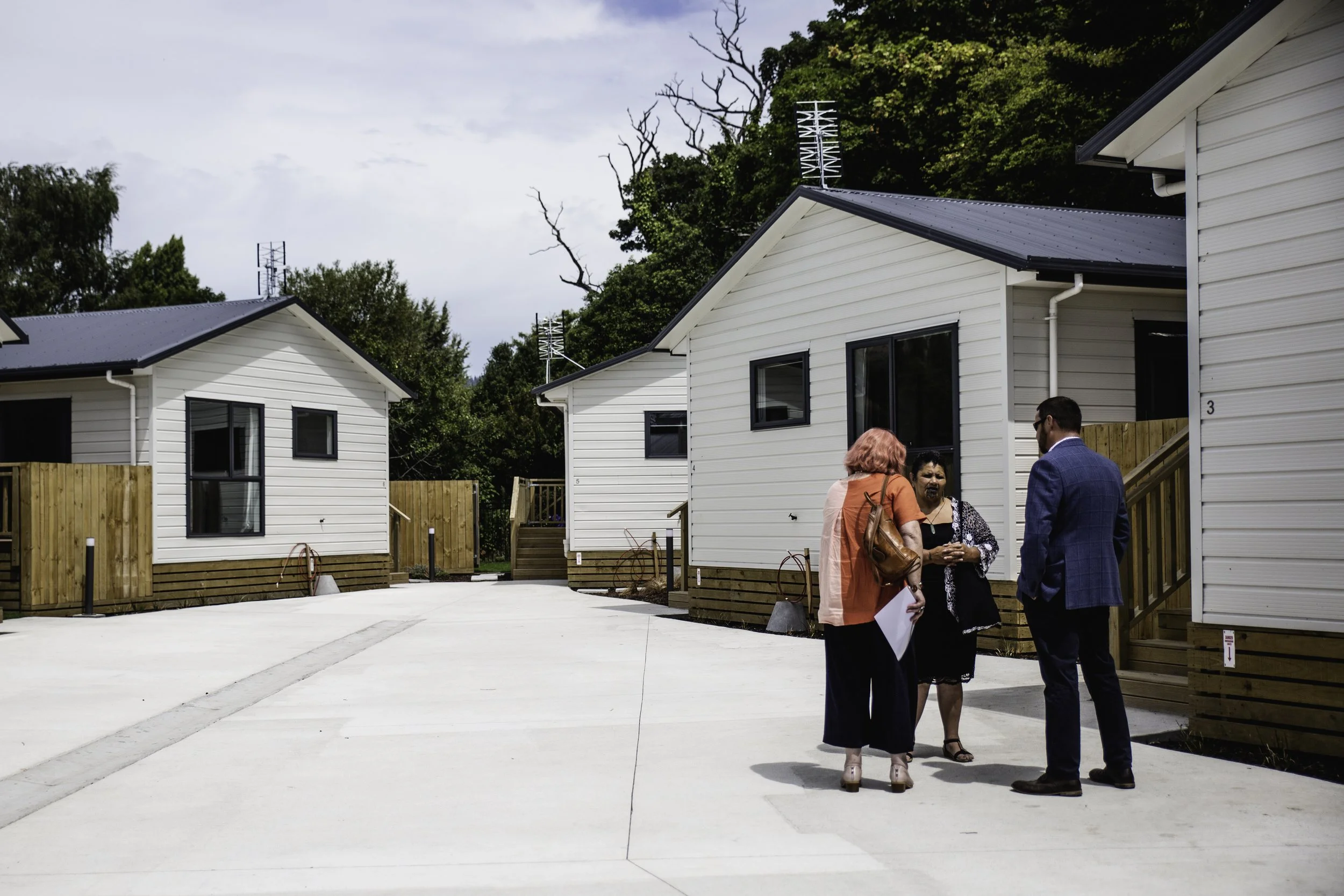
ŌCHT Timeline: our history and growth
Building back better
ŌCHT builds on the past to provide great homes and services for our community now and well into the future.
Our timeline highlights significant moments in our history: from early beginnings and strategic developments to growth in housing supply, quality improvements, and partnerships that have strengthened our ability to provide safe, secure homes.
Each entry tells a part of our story, from how we were established to lease Christchurch City Council’s social housing portfolio, to how we built back capacity lost to the Christchurch earthquakes and grew our services to deliver a sector-leading and scalable approach that’s tackling the affordable housing crunch.

2014
In 2014, Christchurch City Council and central government entered into a Housing Accord as part of wider post-earthquake recovery planning. The Accord acknowledged growing pressure on Christchurch’s social housing system, including ageing stock, increasing demand, and limitations in existing funding and delivery models.
During this period, the Council began exploring alternative approaches to managing its social housing portfolio that could improve housing quality, tenant satisfaction, and long-term financial sustainability, while retaining public ownership of housing assets. This included early engagement with central government, sector partners, and the community about how social housing services might be delivered differently in the future.
These discussions laid the groundwork for subsequent decisions to establish a dedicated community housing organisation, setting the strategic direction that would later lead to the formation of Ōtautahi Community Housing Trust.

2015
Building on the strategic groundwork laid in 2014, the focus moved from exploration to implementation. Christchurch City Council sought expressions of interest to establish a community housing organisation capable of managing the city’s social housing portfolio.
Four organisations were selected to form a Trustee Appointment Committee (Rata Foundation, Christchurch; Methodist Mission; Canterbury District Health Board, and Age Concern Canterbury) and work began to define governance structures, values, and accountability arrangements.
Independent and Council-appointed trustees were identified, laying the governance foundations for a values-driven, community-focused housing provider.
The Appointment Committee selected four people to become independent trustees: Alex Skinner, Pam Sharpe, Lloyd Mander and Stephen Phillips. The three confirmed Council appointees were Deputy Mayor Vicki Buck, Councillors Andrew Turner and Paul Lonsdale.

2016
Ōtautahi Community Housing Trust was incorporated as a Charitable Trust in 2016. Trustees met regularly with Christchurch City Council to finalise governance arrangements, operating frameworks, and service expectations.
In February, the Trust Deed was signed. By September, the lease agreement transferring management of Christchurch City Council’s social housing portfolio to ŌCHT took effect, having been unanimously approved by Council. While ownership of the homes remained with Council, ŌCHT assumed responsibility for tenancy management and service delivery.
Council also approved the transfer of $50 million of land and buildings to capitalise the new entity.
Cate Kearney was confirmed as ŌCHT’s establishment chief executive in May, and she was joined by a new leadership team soon after. Operational employees joined ŌCHT over September and ŌCHT was “live” on October 3 - the date it took over the council’s tenancy management portfolio.
The Trust commenced its first Income Related Rent Subsidy tenancy in November, formally embedding ŌCHT within the national social housing system.


2017
With core operations established, 2017 focused on building organisational capability and service infrastructure. ŌCHT launched its in-house call centre to improve accessibility for tenants in June, and in July it took over minor maintenance services from Council.
A property development Limited Partnership was established to support future housing delivery, and tenant engagement approaches were formalised, including the establishment of a Tenant Advisory Group.
ŌCHT was part of a consortium tendering for the transfer of Housing New Zealand’s social housing in Christchurch, but this was halted with a change of government.
The new Trust ended the year with 27 employees.
2018
ŌCHT broadened its service by joining Christchurch’s Housing First programme, supporting people with complex needs to access and sustain housing.
A new maintenance model (panel of trades) was introduced and in-house maintenance delivery using the panel of trades began in October.
Internally, health and safety, risk management, and assurance systems were strengthened and independently audited. A Two Year Strategic Framework was developed to guide the Trust’s growth.
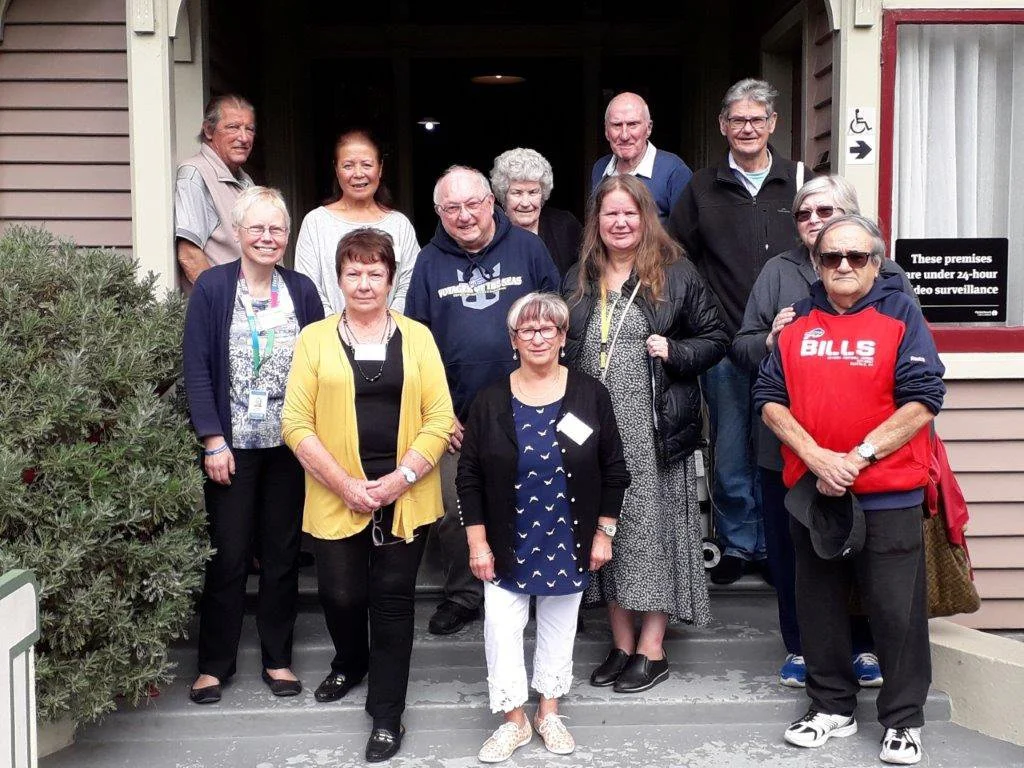
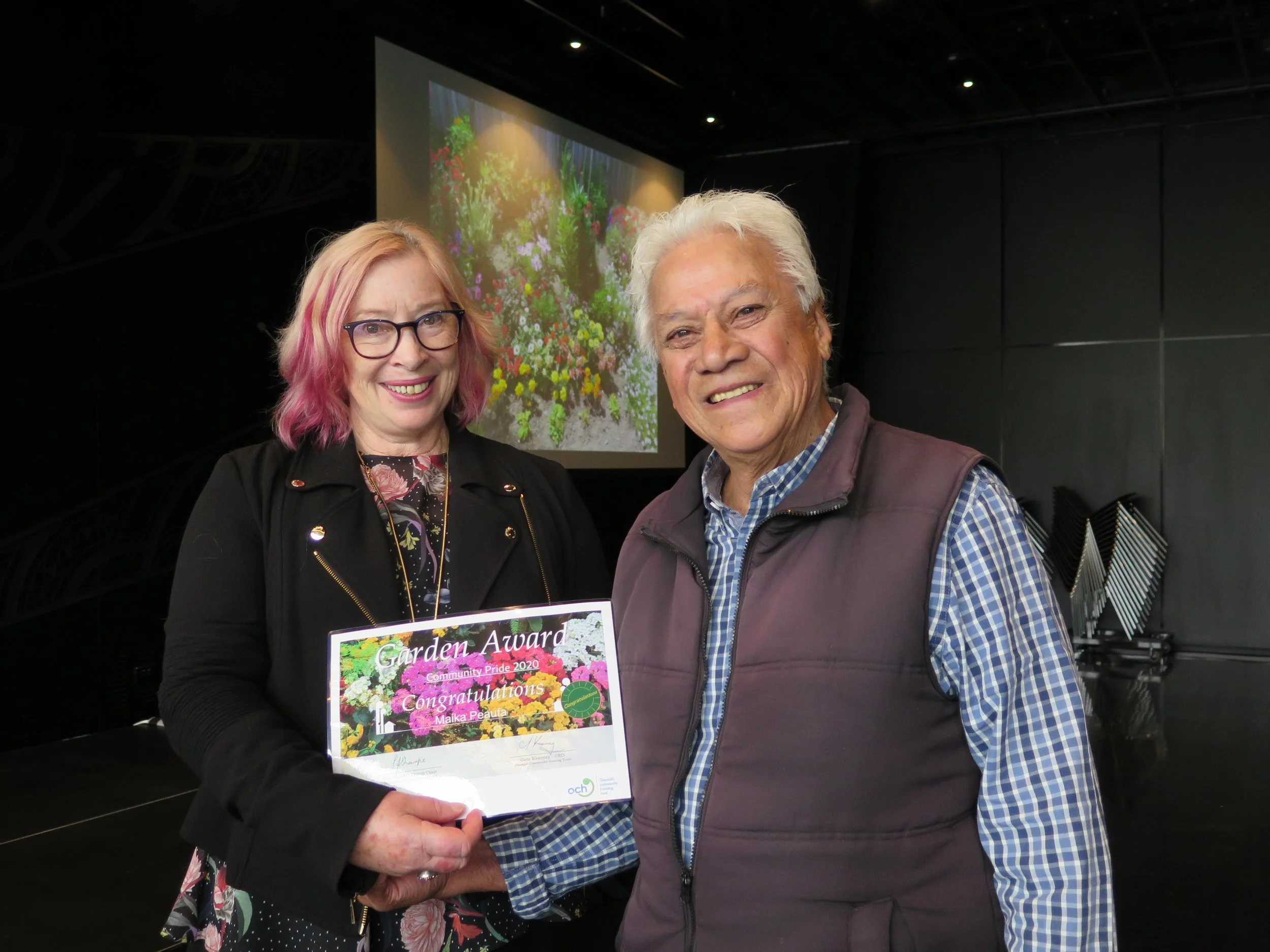
New tenant engagement initiatives were introduced, including tenant information sessions, and the first Tenant Garden Awards and Housing Heroes Awards were held.
2019
ŌCHT opened Louisson Place in Opawa (8 homes), its first purpose-built community housing development, in January and bought Lesley Keast Courts, Hornby (8 homes) in June.
The Employment Coach Pilot was introduced to support tenants into training and employment pathways. The pilot would go on to become an embedded service.
ISO 9001 quality management systems were implemented. Staff numbers increased to support the growing portfolio and service model, 37 employees.
2020
Despite the challenges of COVID-19, ŌCHT continued to grow housing supply with these developments:
Charles Street, Waltham (5 homes)
Hastings Street East, Sydenham (7 homes)
Tiwaiwaka Lane, St Martins (28 homes)
Reg Stillwell Place, New Brighton (13 homes).
A major redesign of tenancy services strengthened tenant-centred practice. The Trust introduced an internal handyperson service, expanded tenant engagement through its first Tenant Art Exhibition and internships, and formalised organisational values.
ŌCHT also achieved Toitū CarbonZero certification, reinforcing environmental accountability during a year of significant disruption.
Staffing grew to manage the expanding portfolio, ending the year with 42 employees.

2021
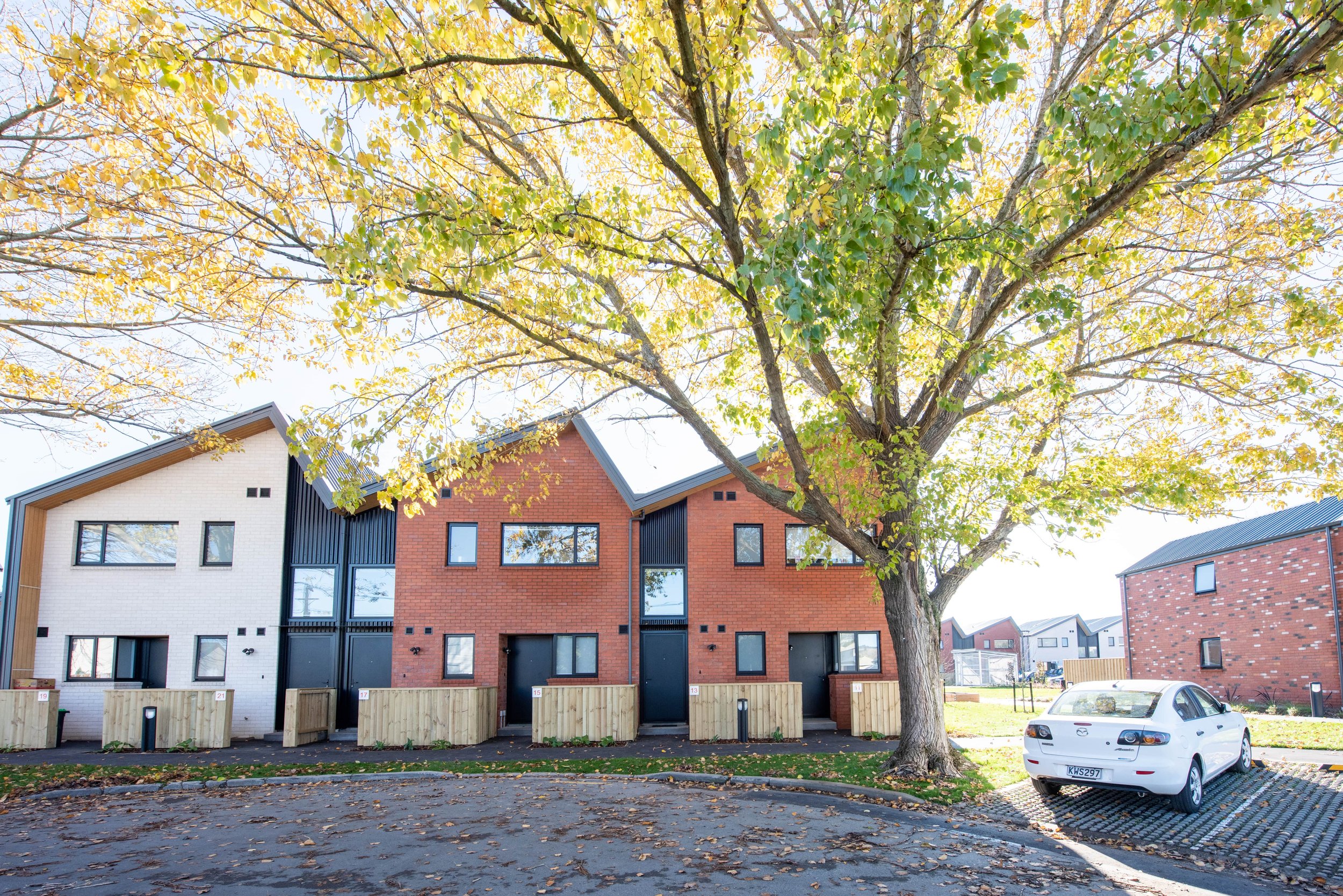
ŌCHT delivered its largest development to date with the opening of the three-stage Brougham Street development (Korimako, Hoiho and Karoro lanes), adding 90 new homes. Additional new housing opened at Gowerton Place in Richmond (37 homes).
ŌCHT assumed responsibility for planned maintenance, improving service continuity across the portfolio, and accelerated work to bring all homes up to Healthy Homes Standards ahead of statutory deadlines. This work was underpinned by $16m invested by Council.
ŌCHT partnered with Enable on a digital inclusion project; launched e-bike and e-car sharing schemes; employed a whānau support worker to support whānau at Brougham Street; worked through Covid-19 lockdowns; and celebrated Tiwaiwaka and Brougham St developments winning architecture and building industry awards, recognising excellence in community housing design and delivery.
2022
This as a 2022 was a landmark year for organisational maturity and assurance. ŌCHT became the first community housing provider in New Zealand to achieve triple ISO certification: ISO 9001 (Quality), ISO 45001 (Health and Safety), and ISO 14001 (Environmental Management).
New developments opened at Coles Place (33 homes) and Glovers Road (6 homes), and a new 2022–2026 Strategic Plan was adopted. The Brougham Street development won industry awards.
ŌCHT and Council agreed second lease term and worked together on land and affordable homes opportunities. The Trust met its lease agreement’s Maximum Rent a year ahead of modelling to further the aim of achieving a sustainable housing portfolio
The Trust became an accredited Progressive Home Ownership provider, to provide opportunities at another stage of the housing continuum. It also partnered with universities to study housing-related tenant outcomes, and housed 66 kaewa as part of the Housing First initiative.
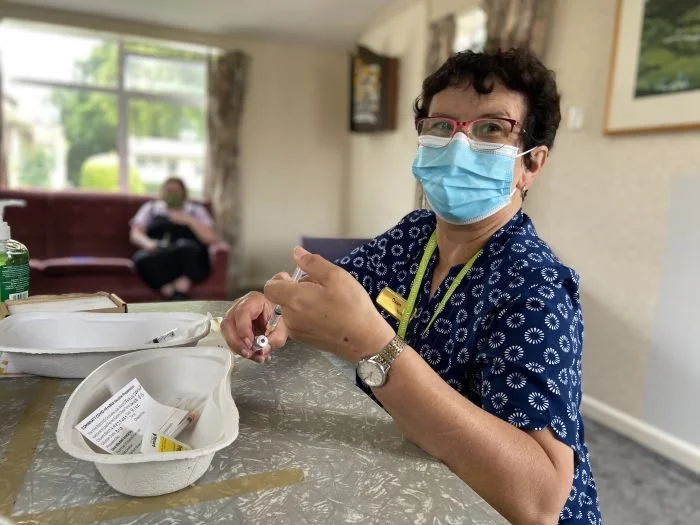
COVID continued to impact communities. ŌCHT partnered with Māori and Indigenous Health Institute to get Covid-19 vaccinations into communities and delivered thousands of RATs to tenants.
By year end, two-thirds of ŌCHT’s car fleet was electric as part of its work reducing its carbon footprint to become a certified Toitu Carbon Zero organisation.
The Trust upgraded its housing management system to Civica Cx.
2023
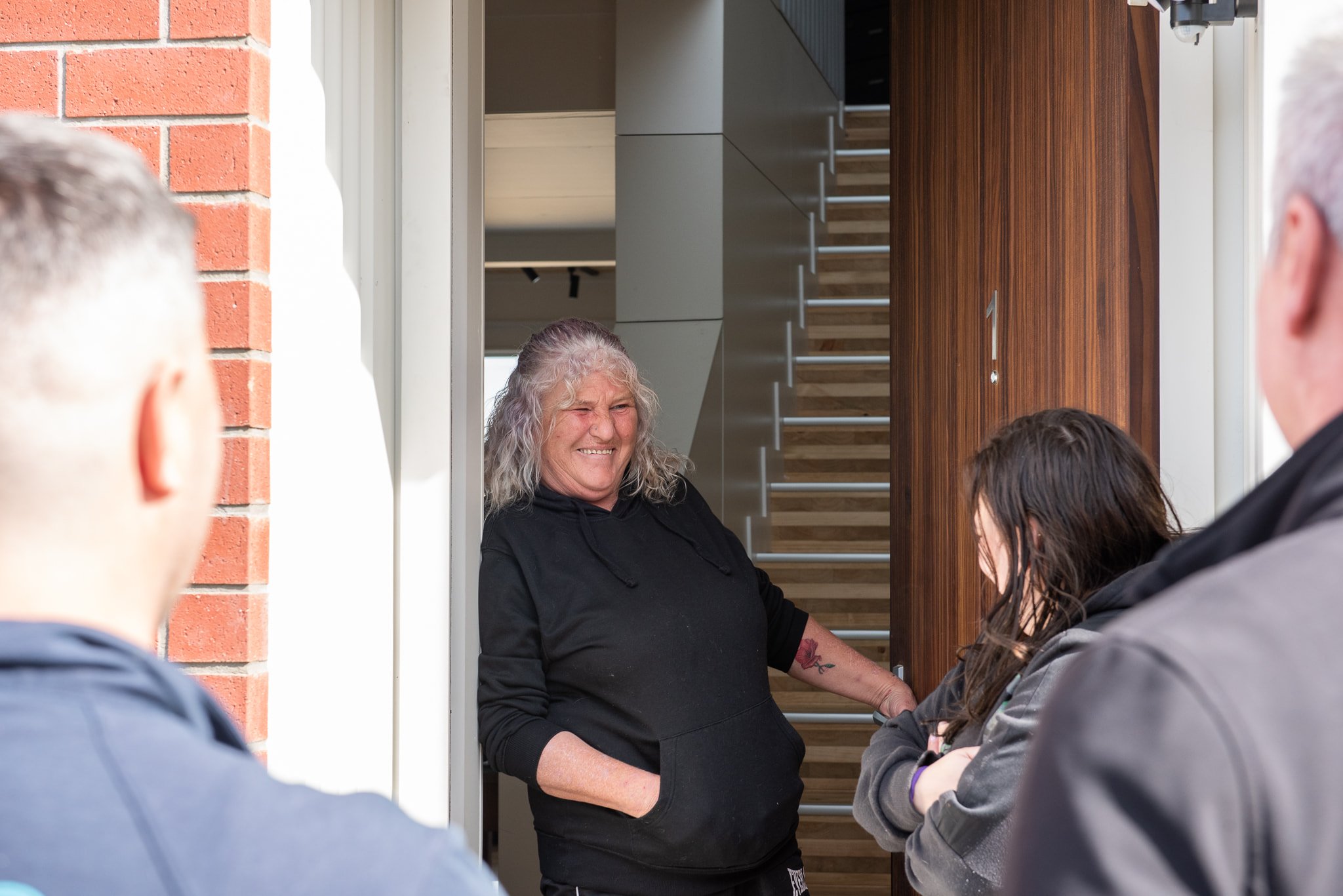
KiwiSaver fund Generate Wealth, via Community Finance, becomes ŌCHT’s first private investor, at the Willard Street development. Willard Street (35 homes) opened in September.
Willard Street marked the point at which ŌCHT built back the city social housing capacity lost to the Canterbury earthquakes. Council lost approximately 360 beds to the ‘quakes: Willard Street delivered ŌCHT’s 410th new bedroom.
ŌCHT achieved Toitū Net CarbonZero certification, strengthening its sustainability leadership, and its Glovers Road and Brougham Street developments received commercial project awards.
The Trust formally adopted a four-day workweek, and received approval for new housing products, including affordable rentals and progressive home ownership. Planning advanced for future mixed-tenure developments - the first, of affordable and public rentals, and PHO homes, is planned for Carey Street, Somerfield
ŌCHT ended 2023 with 54 employees.
2024
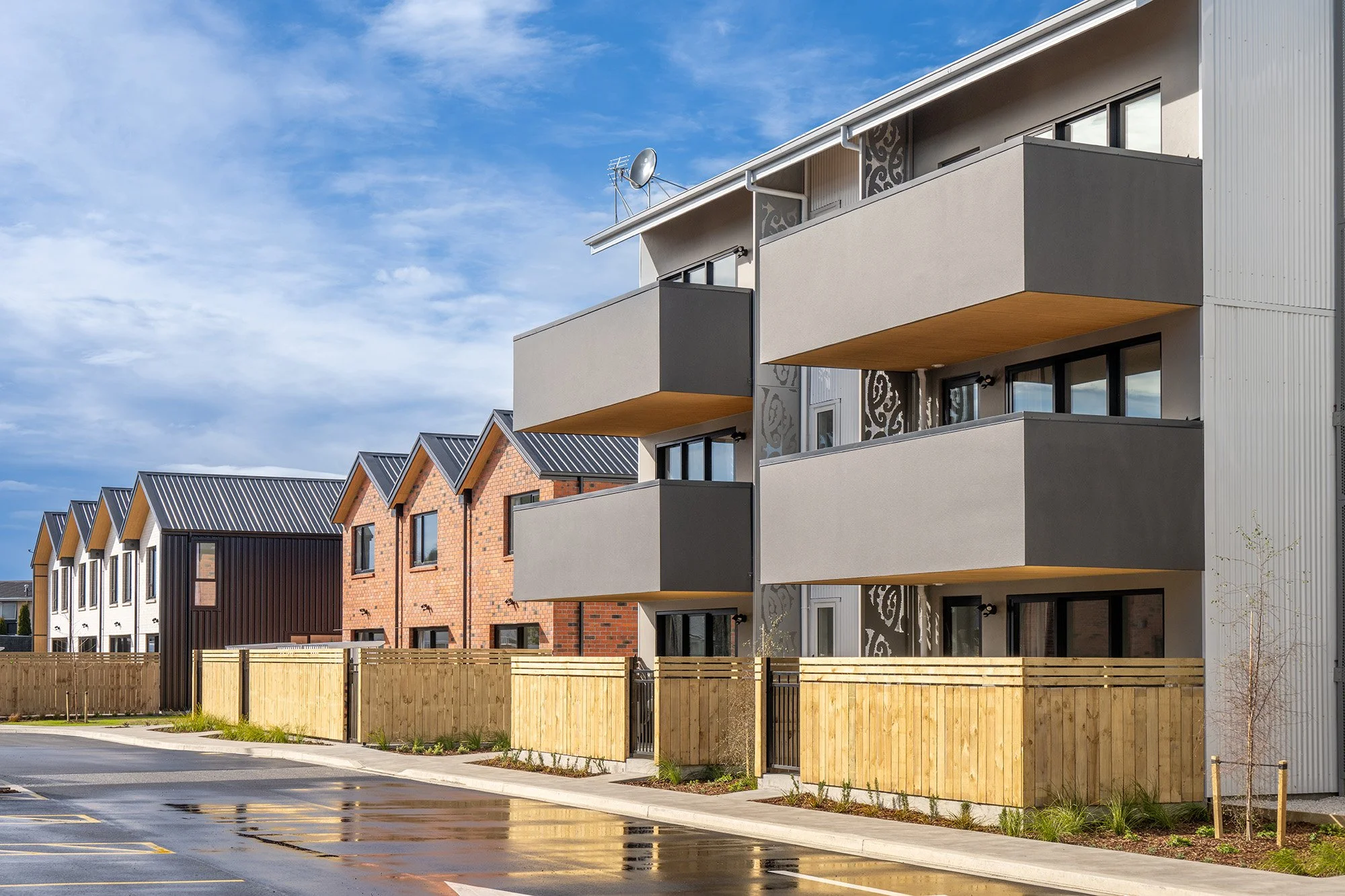
Innovation and diversification accelerated in 2024. ŌCHT launched Secure Home, its progressive home ownership product, and Affordable Rentals. These were available at ŌCHT’s first mixed-tenure development at Carey Street, Somerfield (40 new homes). Affordable rentals were available across the portfolio by year’s end.
The Trust also delivered its first intergenerational homes at Hills Road, Linwood (2 homes).
Tenant Insights Groups replace the Tenants Advisory Group as a means to explore service improvements, strengthening tenant voice in service design.
Work commenced on additional multi-tenure developments, including at Glue Place, Somerfield. Architectural and housing awards continued to recognise the quality and ambition of ŌCHT’s developments, this time for Willard Street.
2025
As scale and complexity increased, 2025 focused on enabling future growth while delivering even more new homes.
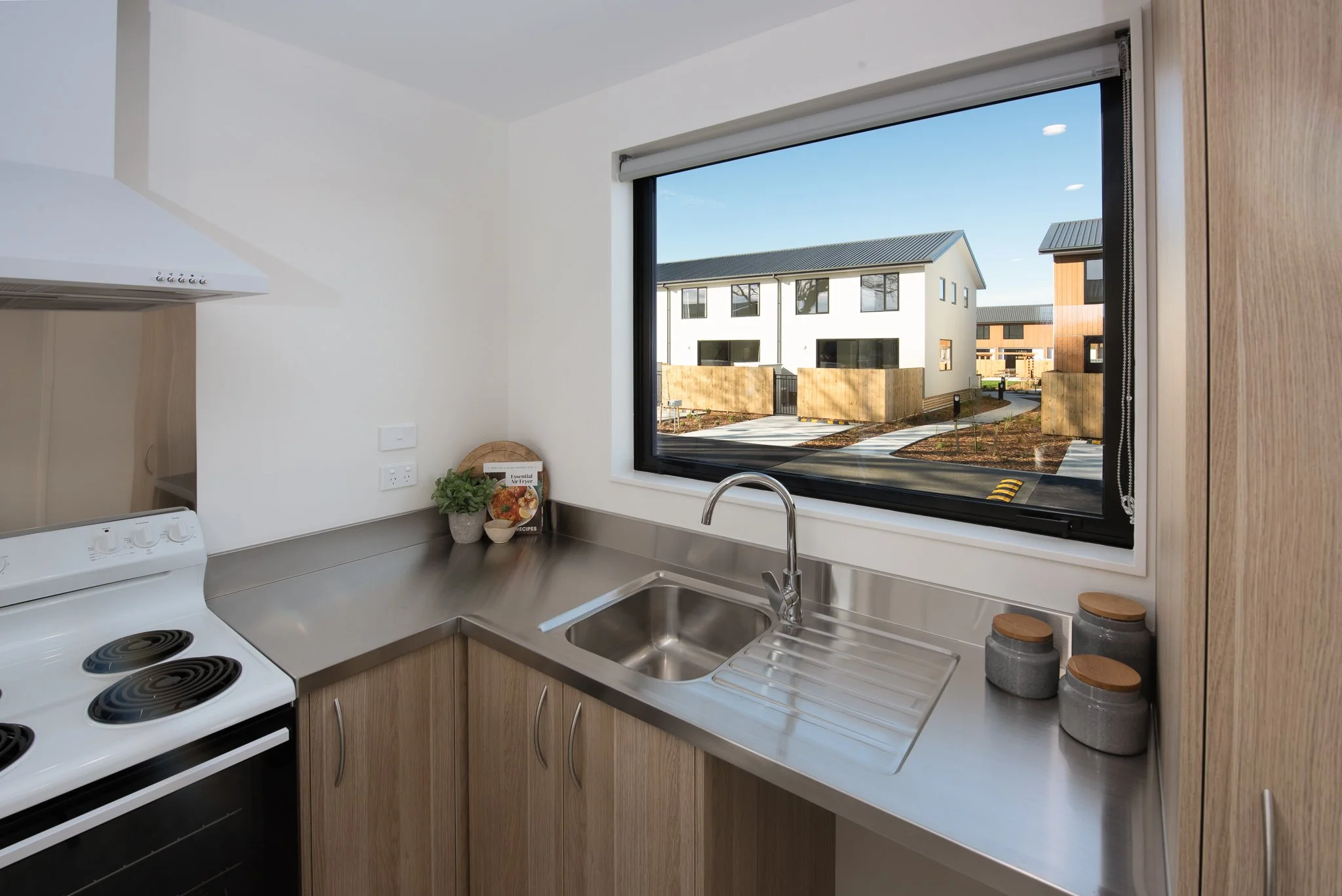
ŌCHT’s second largest redevelopment to date, Three Lanes Lyttelton Street (64 homes), opened to offer a mix of community and affordable homes, and progressive home ownership properties. Work started on the Elm Grove redevelopment (11 homes) and the Griffiths Avenue development (13 homes).
The Ōtautahi Community Housing Trust (Trust Variation) Bill was introduced to Parliament, seeking to remove geographic restrictions in ŌCHT’s founding deed and allow it to operate beyond Christchurch.
This step reflected ŌCHT’s evolution into a mature provider with transferable capability, while maintaining strong governance and a commitment to community outcomes.


2026
ŌCHT continues its sector-leading work in Christchurch. Keep up-to-date in our news section.
